
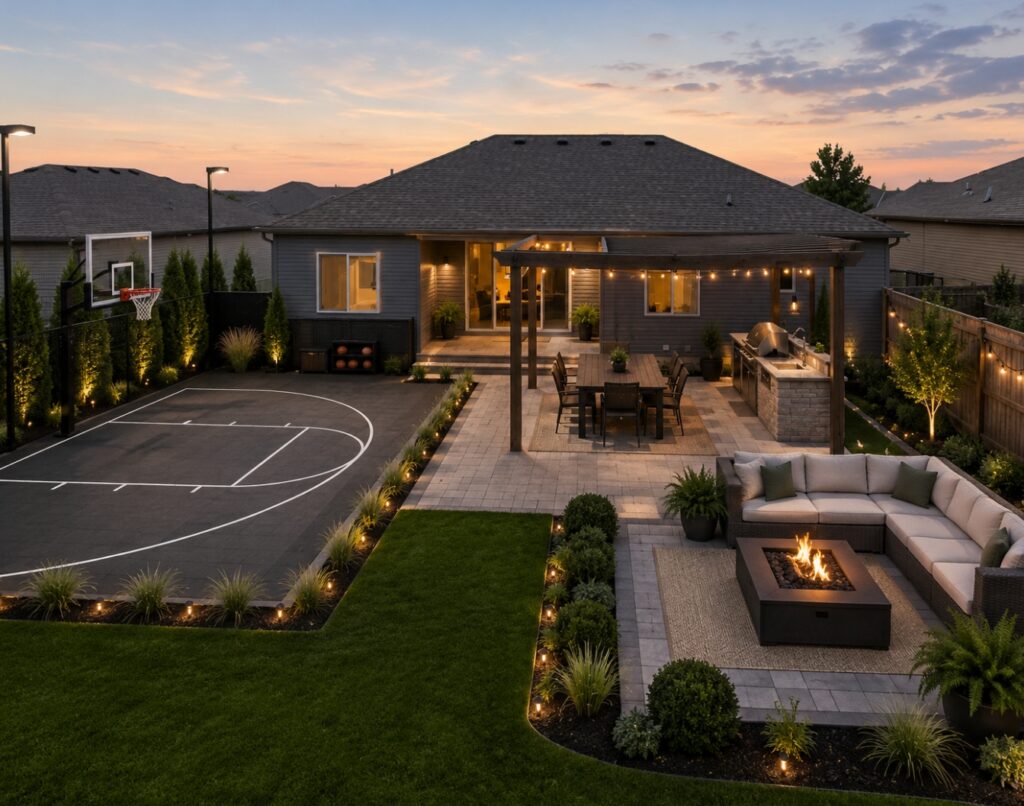
Outdoor areas have become increasingly important in residential design. These spaces offer respite from busy indoor environments. Homeowners value the ability to connect with nature at home. Balconies, patios, and gardens extend living areas beyond walls. The appreciation for outdoor access continues to grow.
Gardens provide opportunities for relaxation and personal expression. Growing plants and flowers offers therapeutic benefits for many people. These activities connect individuals with natural cycles. Even small garden spaces can provide significant enjoyment. The act of nurturing living things brings satisfaction.
Patios and decks serve as extensions of indoor living spaces. These areas accommodate dining, entertaining, and quiet reflection. Outdoor furniture and accessories enhance comfort and functionality. Designing these spaces requires consideration of weather and maintenance. A well-planned patio becomes a valued part of the home.
Balconies offer outdoor access in more urban settings. Even limited space can provide fresh air and views. Container gardens and small seating arrangements maximize these areas. Residents appreciate having a private outdoor retreat. Thoughtful design makes the most of available square footage.
Community green spaces benefit entire neighborhoods. Parks and shared gardens create opportunities for social interaction. These areas provide environments for exercise and relaxation. Access to greenery contributes to overall well-being. Neighborhoods with quality outdoor spaces often thrive.
The future of residential design will likely emphasize outdoor connections. As urban areas become denser, these spaces gain importance. Designers will continue finding creative ways to integrate nature. Homeowners will prioritize access to fresh air and light. Outdoor living represents a lasting trend in how we inhabit our homes.